
Why Botanical Wallpaper Is Dominating Interior Design in 2026
There is a particular kind of room that stays with you long after you have left it. Not because of what was in it, but because of how it felt. Grounded. Alive. Quietly intelligent in the way it was put together.
In 2026, that feeling has a clear common thread: botanical wallpaper.
But this is not a trend born from a colour forecast or a moment on social media. It is the visible result of a deeper shift in how people want to live, and what they need their homes to do for them.
The Science Behind Why Nature Belongs on Your Walls
Studies from environmental psychology have consistently shown that exposure to natural patterns — leaves, branches, organic textures - lowers cortisol levels, improves cognitive performance and reduces mental fatigue.
The reason is fractal geometry. In nature, patterns repeat at multiple scales. A fern frond mirrors the shape of the whole plant. A river's tributaries echo its mouth. Our brains have evolved to find these patterns effortlessly readable, which is why they feel instinctively calming rather than visually demanding.
When botanical wallpaper is well designed, it carries these same fractal qualities. The result is a wall that your nervous system processes as restful — not as noise. This is the foundation on which the best luxury wallpaper collections are built.
How Botanical Wallpaper Has Evolved
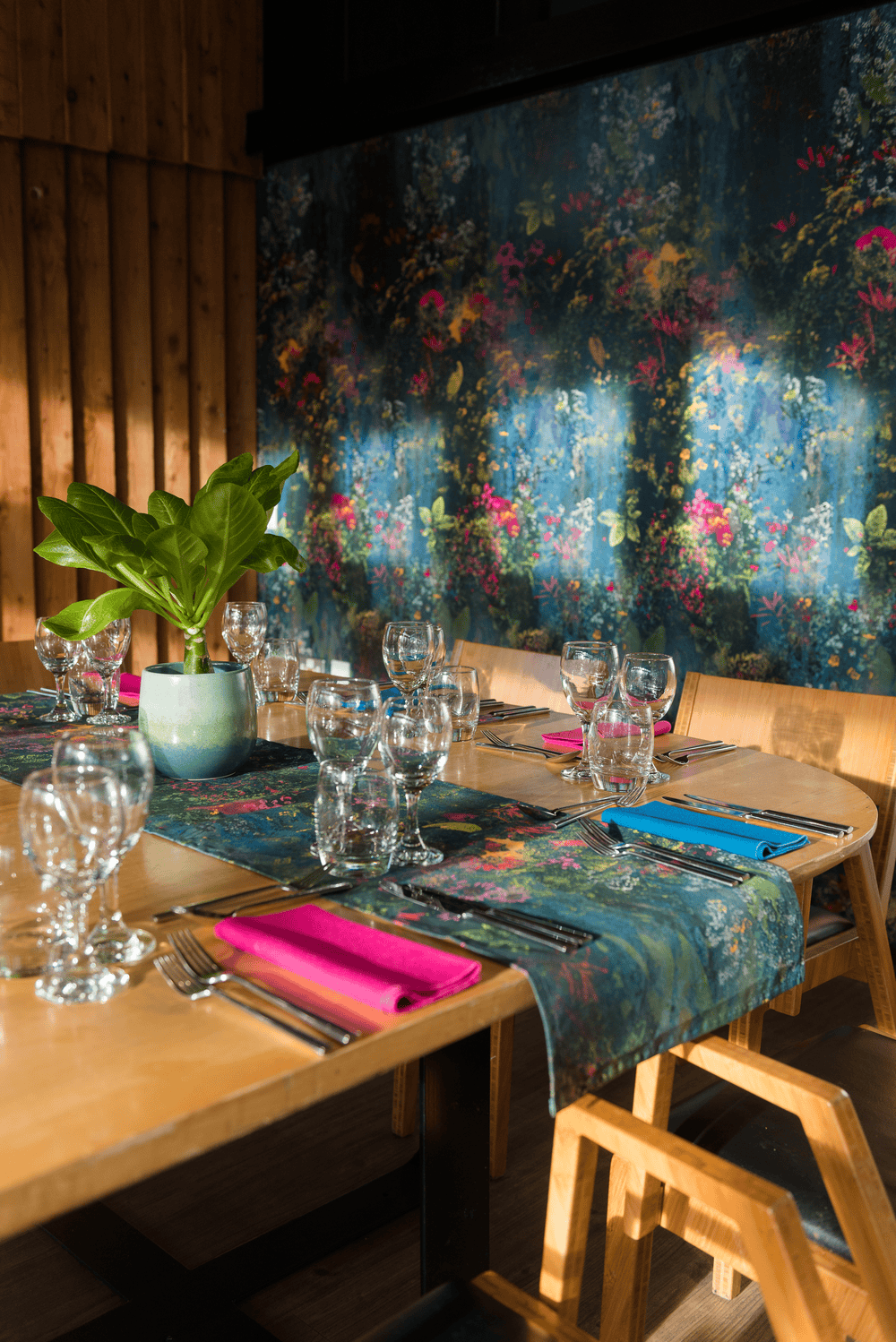
Today's leading botanical wallpaper designs function less like surface decoration and more like landscape. They have depth, tonal complexity and a sense of atmosphere.
This shift is particularly evident in collections drawing from specific places. Scotland, for instance, offers a visual language that is difficult to replicate: the particular grey-green of hillside heather, the way coastal light flattens colour in winter, the structural drama of thistles against an open sky. These are not generic botanical references. They carry the weight of a specific landscape.
Mairi Helena's collections are rooted in exactly this approach. Each design begins not with a trend brief but with the Scottish landscape itself - its light, its textures, its seasonal contrasts. The result is wallpaper that carries a genuine sense of place rather than the anonymous quality that mass-produced nature prints so often have.
Where Botanical Wallpaper Works Best
Living Rooms
The living room is where dark botanical wallpaper makes its most confident statement. A large-scale nature print on a chimney breast or full feature wall introduces movement and depth without requiring additional artwork or decoration to fill the space.
Pair with deep greens, warm terracottas or earthy neutrals in your soft furnishings. Velvet fabrics particularly complement the organic quality of botanical prints - the light-catching texture of velvet echoes the way leaves catch and diffuse light.
Bedrooms
For bedrooms, botanical wallpaper serves a dual purpose. It creates visual interest while simultaneously promoting the calm that supports good sleep. Lighter, more tonal designs work well here - muted florals, softened botanicals, layered greens rather than high-contrast statement prints.
Luxury wallpaper in a bedroom, combined with complementary upholstered furniture and layered textiles, elevates the space from a functional room to something genuinely restorative.
Home Offices
This is where the science of biophilic design becomes practically useful.
Screen fatigue is real. Staring at a flat, painted wall during video calls compounds the visual monotony of digital work. A nature wallpaper backdrop, positioned within eyeline or visible in peripheral vision, gives the brain something living to rest on during moments of thought.
Interior designers working on residential home offices in 2026 are increasingly specifying botanical wallpaper not as a stylistic choice but as a functional one. It is one of the more evidence-led decisions in contemporary interior design.
Nurseries and Children's Rooms
Nature wallpaper has long been popular in nurseries, but the quality of available designs has risen considerably. Rather than simplified cartoon botanicals, parents are now choosing properly considered nature prints that can grow with the room as the child grows — designs with enough sophistication to remain appropriate for years.
Styling Botanical Wallpaper: A Layered Approach
The rooms that do botanical design best are not built around the wallpaper alone. The wallpaper establishes the world; the soft furnishings, lighting and furniture inhabit it.
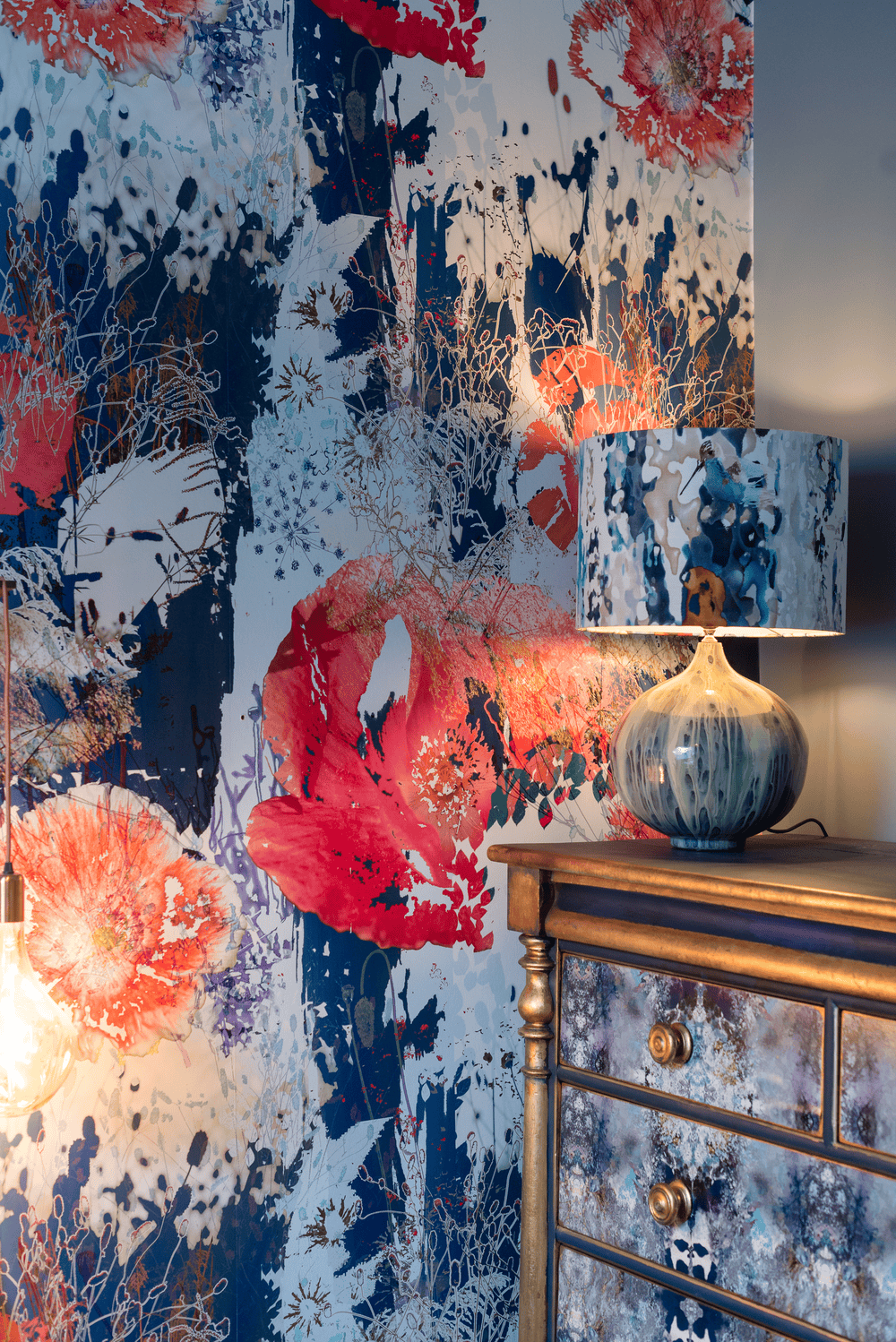
A useful approach is to identify two or three tones from the wallpaper itself and carry them through the room in different materials and textures. A moss green in the wallpaper might appear again in a velvet cushion, then more subtly in the glaze of a ceramic lamp base, then as an accent in a woven throw.
Patterned or botanical fabrics can work alongside botanical wallpaper when they operate at a different scale. A large-scale botanical print on the wall can be complemented by a smaller-scale geometric or organic pattern on a cushion without the room feeling confused — provided the colour palette is held consistently.
Botanical accessories — a botanical cushion, a thistle lampshade, a nature-print bed throw — are not afterthoughts. In a well-considered room, they are the details that make a scheme feel finished rather than assembled.
Sustainability and the New Definition of Luxury Wallpaper
The definition of luxury in interior design is being quietly rewritten.
For the previous generation, luxury meant the most expensive material, the most exclusive brand, the most elaborate finish. Today it means something more considered. Responsibly sourced materials. Production methods that can be accounted for. Designs made to last rather than to follow a cycle.
British wallpaper designers and textile producers are at the forefront of this. There is a growing expectation among design-literate consumers that a luxury wallpaper purchase should come with transparency about where and how it was made. Collections designed around specific landscapes, produced with traceable materials and sold with an honest account of their provenance are resonating precisely because they offer an alternative to the anonymous volume production that has long dominated the wallpaper market.
Botanical Design Beyond the Home
The residential interior is no longer the only context where botanical wallpaper is doing serious design work.
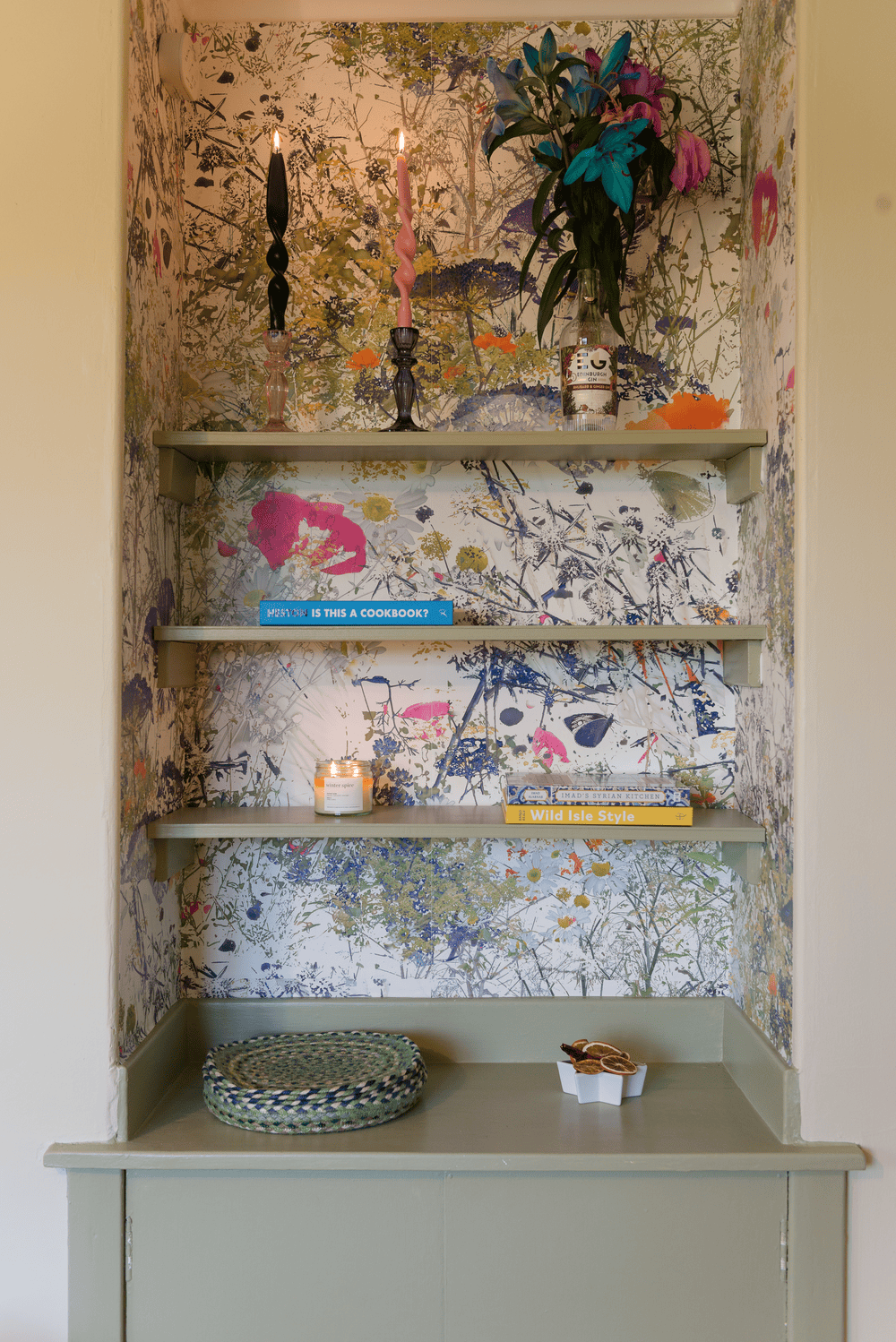
Commercial interior designers, hospitality brands and property developers are increasingly specifying botanical and nature wallpaper across hotels, restaurants, show homes and office environments. The reason is straightforward: spaces that feel connected to nature perform better. Guests stay longer. Residents respond more positively. Workers report greater satisfaction.
Show home staging has been particularly transformed by botanical design. A well-executed nature wallpaper scheme can establish an emotional connection with a potential buyer in seconds — something that a painted wall, however carefully chosen, rarely achieves.
Frequently Asked Questions
Is botanical wallpaper still relevant in 2026?
Yes — and it is likely to remain so. Botanical wallpaper is not a passing aesthetic but the expression of a broader shift toward biophilic interior design. The underlying drivers — interest in wellbeing, connection to nature, rejection of purely minimalist spaces — show no sign of reversing.
Does botanical wallpaper work in modern, minimal interiors?
Yes. The key is scale and palette. A large-scale, tonal botanical print can add depth to a minimal interior without compromising its clean lines. The nature wallpaper works as the room's single expressive element rather than competing with other patterns or decorations.
Can botanical wallpaper genuinely improve wellbeing?
The evidence supports this. Research in environmental psychology consistently links nature-based visual environments to reduced stress, improved focus and greater reported satisfaction with a space. The fractal patterns present in well-designed botanical wallpaper appear to be a significant factor in this effect.
Is botanical wallpaper suitable for commercial spaces?
Increasingly so. Hospitality design, commercial offices and show homes are all contexts where botanical wallpaper is delivering measurable results in terms of how people feel in and respond to a space.
What makes Scottish wallpaper distinct?
Scottish landscape offers an unusually rich visual language — dramatic contrasts of light and texture, a distinctive palette shaped by Atlantic weather and highland terrain. Wallpaper designed from direct observation of this landscape carries a specificity and authenticity into your home.